
New Warning for Students and Parents
New Warning for Students and Parents
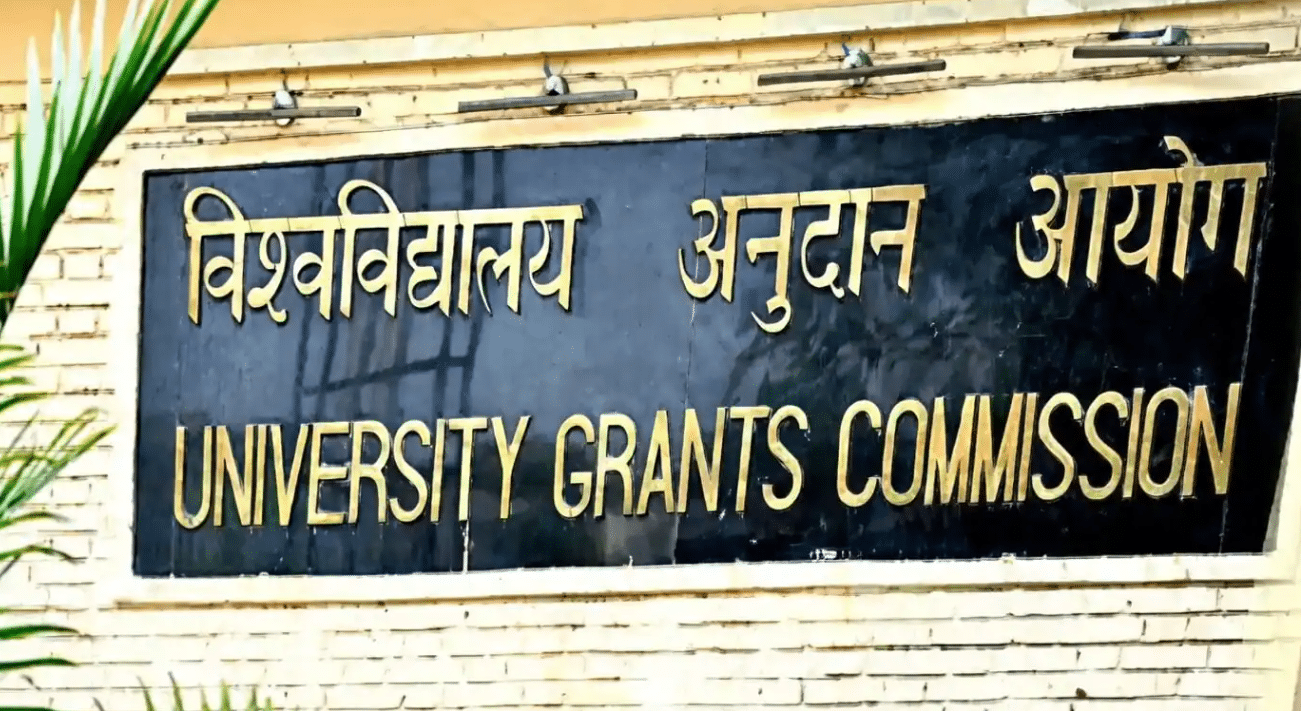
The University Grants Commission (UGC) has identified 32 institutions operating illegally as “fake universities” across India, issuing a strong nationwide warning to students and parents. According to the UGC, these institutions are not recognised under the UGC Act, 1956, and therefore do not have the authority to award degrees.
This means that any degree, diploma, or certificate issued by these institutions is not legally valid for employment, higher education admissions, competitive examinations, or government services. Students enrolling in such institutions risk losing years of academic effort, financial investment, and career opportunities.
The latest alert highlights the continuing challenge of fraudulent institutions exploiting students’ aspirations for higher education.
Delhi Emerges as the Epicentre
In the most recent list released by the UGC, Delhi accounts for 12 out of the 32 fake universities, making it the region with the highest number of such illegal entities. This marks a concerning trend, as the national capital continues to top the list in repeated UGC warnings over the years.
Apart from Delhi, the other states and union territories with flagged institutions include:
- Uttar Pradesh – 4
- Andhra Pradesh – 2
- Karnataka – 2
- Kerala – 2
- Maharashtra – 2
- Puducherry – 2
- West Bengal – 2
- Arunachal Pradesh – 1
- Haryana – 1
- Jharkhand – 1
- Rajasthan – 1
The geographic spread shows that the issue is not confined to one region but is a nationwide concern requiring increased awareness and regulatory vigilance.
Why This Matters for Students
Fake universities often use authoritative sounding names, similar to established public or private universities, to appear legitimate. Many of them advertise aggressively through websites, social media, and local promotions. They may offer:
- Fast-track degree programs
- Guaranteed job placements
- Low fee structures
- Flexible admissions without entrance criteria
- Degrees without proper coursework or attendance
However, because these institutions operate without statutory authority, their degrees are not recognized by employers, universities, or professional bodies.
Students who unknowingly enroll may later discover that:
- Their degree is not valid for government jobs
- They are ineligible for postgraduate admissions
- Their qualification is rejected during verification
- They cannot apply for professional licensing
In severe cases, students may have to restart their education from scratch at a recognised institution.
Legal Position Under the UGC Act, 1956
Under the provisions of the UGC Act, 1956, only institutions established by:
- A Central Act
- A State Act
- A Provincial Act
- Or institutions deemed to be universities under Section 3
are authorised to award degrees.
Any institution that does not meet these criteria but claims to be a “university” is acting illegally. The UGC periodically publishes lists of such fake institutions to protect public interest.
Historical Context and Rising Concerns
The issue of fake universities is not new. The UGC has released similar lists in previous years, warning students against unrecognised institutions. However, the recurring appearance of certain regions — particularly Delhi suggests that fraudulent operators continue to find ways to exploit loopholes and unsuspecting students.
The rise of online education and distance learning has further complicated the issue, as some fake institutions operate primarily through websites, making it harder for students to verify their physical presence or regulatory approval.
This trend underscores the need for:
- Stronger enforcement mechanisms
- Public awareness campaigns
- Digital verification tools
- Stricter penalties against fraudulent operators
Official Guidelines and Student Safety Measures
The UGC has strongly advised students and parents to verify an institution’s recognition status before applying or paying fees. Here are important steps students should follow:
1. Verify on the Official UGC Website
Check whether the institution appears in the list of recognised universities.
2. Confirm Regulatory Approvals
For professional courses such as engineering, law, medicine, pharmacy, or teacher education, verify approval from relevant statutory bodies.
3. Avoid “Too Good to Be True” Offers
Be cautious of universities promising instant degrees, guaranteed employment, or extremely short program durations.
4. Cross Check Government Notifications
Look for official government gazette notifications or recognition orders.
5. Seek Clarification
If unsure, contact the UGC directly for confirmation before proceeding with admission.
The Impact on India’s Higher Education Ecosystem
Fake universities not only harm individual students but also damage the credibility of India’s higher education system. They:
- Undermine trust in academic qualifications
- Create confusion among employers
- Exploit vulnerable students from rural and low-income backgrounds
- Dilute the reputation of genuine institutions
As India continues to position itself as a global education hub, eliminating fraudulent institutions is crucial to maintaining quality and international credibility.
Conclusion
The latest warning from the University Grants Commission about 32 fake universities serves as a serious reminder of the risks students face if they fail to verify institutional recognition.
With Delhi topping the list and multiple states affected, vigilance is essential. A recognised degree is the foundation of academic progression and career growth. Students and parents must take proactive steps to ensure that the institution they choose is legally authorised to award degrees.
In today’s competitive education landscape, awareness is the strongest protection against academic fraud.