
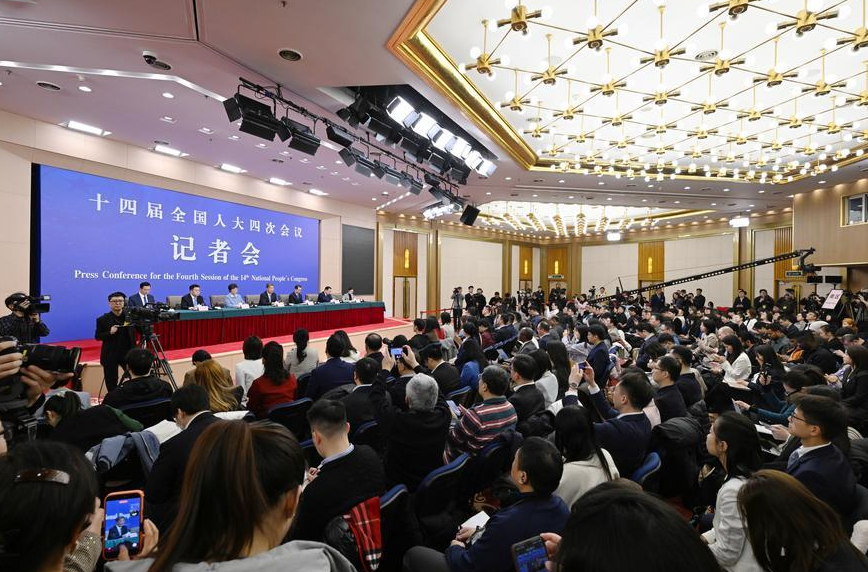
China’s top universities have increased their enrollment capacity by 38,000 students over the past two years, marking a major expansion of the country’s higher education system. The announcement was made by Education Minister Huai Jinpeng during a press conference held alongside China’s national legislative session in Beijing.
The move reflects China’s broader strategy to strengthen talent development, innovation, and workforce readiness in emerging industries.
New Programs and Global Education Partnerships
In addition to expanding university seats, China has also accelerated the development of academic programs and international partnerships.
According to officials:
- Over 540 cooperative education institutions and programs have been established between mainland Chinese universities and international partners.
- These collaborations cover undergraduate and postgraduate education across multiple disciplines.
The partnerships aim to enhance global academic exchange and improve the international competitiveness of Chinese universities.
Major Expansion of Academic Programs
China has significantly expanded its academic offerings over the past several years.
Between 2021 and 2025:
- More than 8,600 new undergraduate program sites were created.
- Over 4,500 master’s degree-granting program sites were added across universities.
Many of these programs are designed to support future-oriented sectors, including technology, engineering, artificial intelligence, and advanced manufacturing.
Aligning Talent Development with Future Industries
China’s education authorities say the reforms aim to better align university training with labor market demand.
The government is focusing on:
- Emerging technologies
- Digital economy skills
- Advanced scientific research
- Interdisciplinary education
Officials say the restructuring of academic disciplines is intended to prepare students for the evolving global economy and promote innovation-driven growth.
Education Reform as Part of China’s Long-Term Strategy
The expansion of university capacity is part of China’s broader plan to strengthen its human capital and scientific innovation ecosystem.
By increasing enrollment and creating new programs, China aims to:
- Develop highly skilled talent
- Support industrial modernization
- Enhance research and development capabilities
- Strengthen global competitiveness in education and technology
Experts say this initiative reflects the country’s long-term commitment to building a knowledge-driven economy.
Conclusion
China’s decision to add 38,000 new university seats highlights the nation’s focus on expanding access to higher education while aligning academic programs with future economic needs.
As universities introduce new disciplines and international collaborations, the reforms could play a significant role in shaping China’s next generation of scientists, engineers, and innovators.