
South Korea’s Stock Market Gains on Semiconductor Strength
South Korea’s benchmark KOSPI ended Monday’s trading session with strong gains, rising 1.14% to close at 5,549.85 points, largely driven by robust performance in semiconductor stocks. The rally helped the index snap a two-day losing streak despite global market uncertainty and rising oil prices.
The session was marked by volatile trading conditions, as geopolitical tensions in the Middle East and fluctuating oil prices weighed on investor sentiment. Nevertheless, strong buying interest in technology stocks helped the index finish firmly in positive territory.
Chipmakers Lead the Market Rally
The biggest contributors to the market’s rise were South Korea’s major semiconductor companies. Shares of Samsung Electronics and SK hynix posted strong gains as investor optimism surrounding artificial intelligence (AI) chip demand continued to support the sector.
The semiconductor industry remains a cornerstone of South Korea’s economy and stock market, with chipmakers making up a significant portion of the KOSPI’s total market capitalization. Growing global demand for advanced memory chips used in AI data centers has been a key catalyst for the sector’s strong performance in 2026.
Oil Prices and Geopolitical Risks Create Market Volatility
Despite the gains, markets remain cautious due to rising geopolitical tensions in the Middle East, particularly concerns about potential disruptions to global oil supply routes. Higher oil prices have increased inflation fears and added volatility to Asian markets.
At one point during the trading session, the KOSPI briefly slipped below the 5,500 level as crude oil prices surged above $100 per barrel, highlighting the fragile balance between strong technology earnings and macroeconomic risks.
Korean Won Weakens Against the US Dollar
While equities rose, the South Korean won weakened against the US dollar. The currency decline reflects investor caution and continued pressure from higher energy prices, as South Korea imports a significant share of its oil from the Middle East.
Currency fluctuations are closely watched by investors because a weaker won can increase import costs but may also support export-driven companies such as technology manufacturers.
KOSPI’s Volatile but Strong Performance in 2026
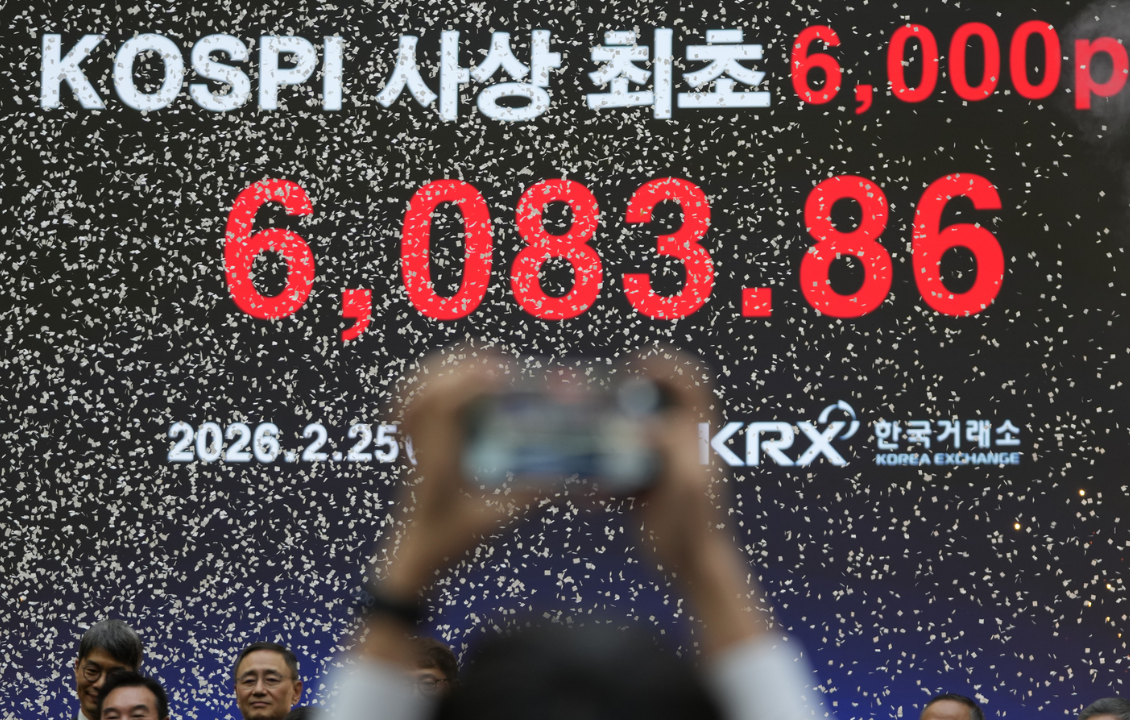
Despite recent volatility, the KOSPI has delivered impressive performance in 2026. The index recently reached an all-time high above 6,300 points in February, driven largely by a global surge in demand for AI-related semiconductor technologies.
However, markets have experienced sharp swings in recent weeks as geopolitical risks and energy price shocks triggered sudden sell-offs followed by quick rebounds.
Outlook: Tech Momentum vs Global Risks
Looking ahead, analysts believe the future direction of the Korean stock market will largely depend on two factors:
- Continued global demand for AI and semiconductor technologies
- The trajectory of oil prices and geopolitical tensions
If semiconductor demand remains strong, technology giants could continue to support the KOSPI even amid global uncertainty. However, sustained energy price increases or geopolitical escalation could create further volatility in Asian financial markets.
Conclusion:
South Korea’s stock market demonstrated resilience as semiconductor giants powered the KOSPI higher despite macroeconomic headwinds. While technology optimism remains strong, global oil prices and geopolitical tensions will continue to shape investor sentiment in the coming months.