
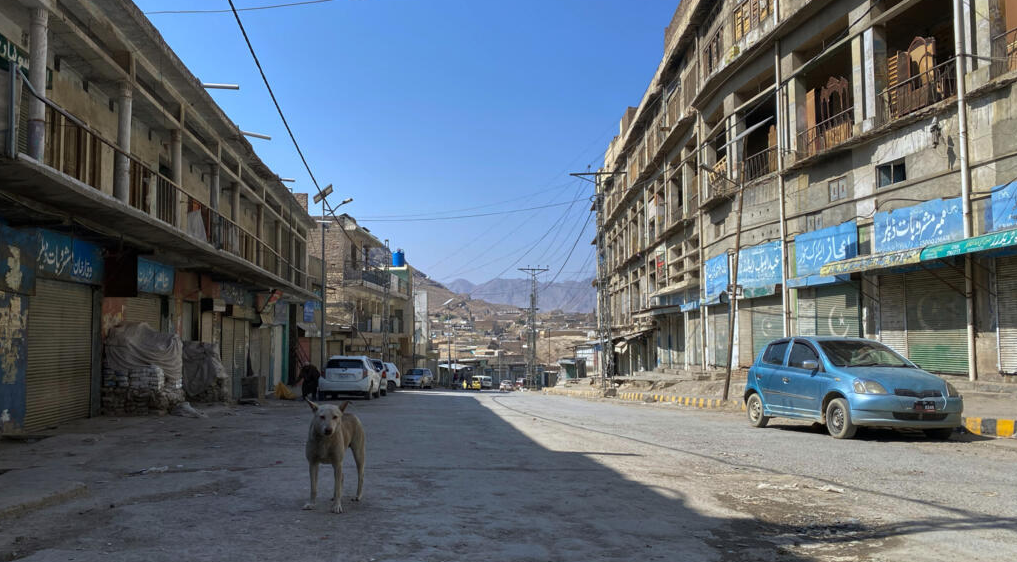
Tensions between Pakistan and Afghanistan escalated sharply after overnight airstrikes struck areas in the Afghan capital Kabul, killing at least four people and injuring several others. The strikes are part of the growing military confrontation between the neighboring countries along their disputed border.
According to Afghan officials, the bombardment hit residential areas in Kabul, leaving multiple casualties and causing damage to homes. Local police confirmed that four people were killed and around 15 others were wounded during the attack.
Why Pakistan Launched the Airstrikes
Pakistan claims the airstrikes targeted militants belonging to the Tehrik-i-Taliban Pakistan (TTP), a militant group responsible for several attacks inside Pakistan. Pakistani officials say the group operates from Afghan territory, prompting Islamabad to launch “precision strikes” against suspected hideouts.
However, the Taliban-led Afghan government denies allowing militants to use its territory and accuses Pakistan of targeting civilians and violating Afghan sovereignty.
Damage Beyond Kabul
In addition to Kabul, explosions were reported in other Afghan regions, including areas near Kandahar. Afghan authorities claimed that a fuel depot belonging to a private airline near Kandahar airport was also hit during the strikes, increasing fears of further escalation.
The attacks have intensified concerns about the widening conflict between the two countries.
Conflict Rooted in Border Militancy
The latest airstrikes are part of a broader confrontation that has been building for weeks. Pakistan has repeatedly accused Afghanistan of harboring militants who launch cross-border attacks, while the Afghan Taliban government rejects these allegations.
Since late February 2026, both sides have exchanged artillery fire and airstrikes along the long and disputed Durand Line border, leading to military casualties and civilian displacement. The conflict has already forced thousands of people to flee border areas and disrupted trade between the two countries.
International Concerns and Calls for Peace
The growing violence has drawn concern from international observers and humanitarian groups. The United Nations has warned that civilian casualties are rising and that continued hostilities could worsen the humanitarian crisis in Afghanistan.
Several countries have called for dialogue and de-escalation, urging both governments to resolve their differences through diplomatic channels rather than military action.
What Happens Next
With both sides maintaining strong positions, analysts warn that the conflict could escalate further if diplomatic efforts fail. Continued airstrikes and border clashes risk destabilizing the region and worsening the already fragile security situation in Afghanistan.
For now, the situation remains tense, and residents near the border continue to live under the fear of renewed fighting.