
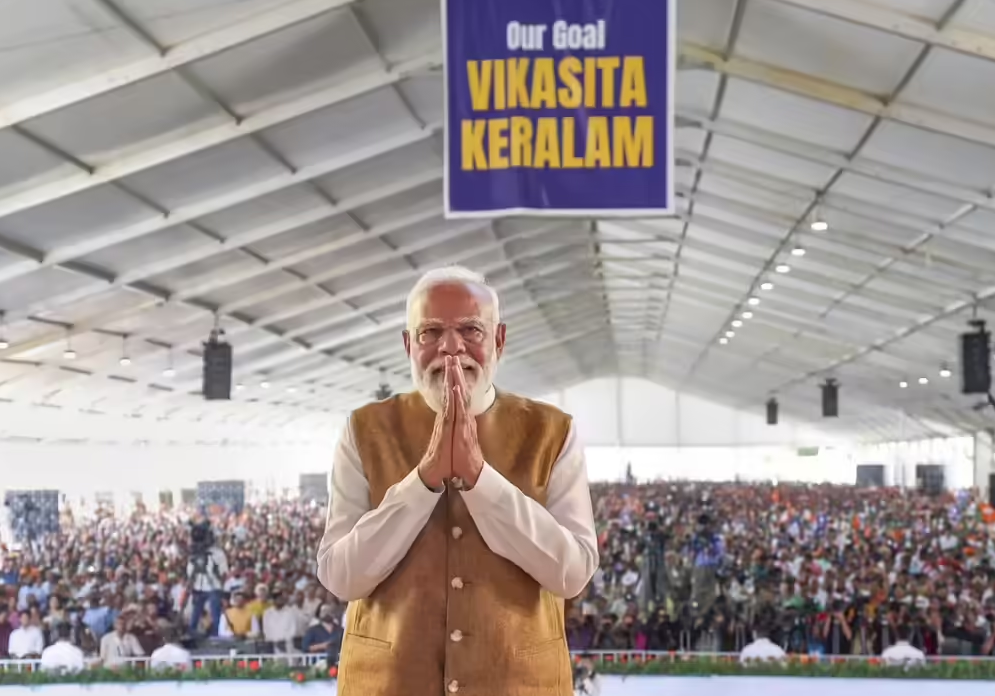
Prime Minister Narendra Modi is scheduled to visit Kerala on March 11, 2026, in what is being seen as a significant political and cultural event ahead of the upcoming state Assembly elections. This visit comes shortly after a landmark decision by the Union Cabinet to officially rename Kerala as “Keralam.” The move has sparked nationwide discussions about cultural identity, regional pride, and the political implications of timing such a decision just weeks before the elections. The combined significance of the Prime Minister’s visit and the renaming initiative is expected to dominate public discourse in the coming weeks.
What to Expect During PM Modi’s Visit
The Prime Minister’s one-day itinerary in Kerala is expected to cover multiple high-profile engagements. Key highlights include participation in a statewide conference aimed at fishermen and coastal communities, inaugurations of infrastructure and railway development projects, and a large public rally in Kochi to address supporters. Officials have indicated that the visit will also feature a roadshow, which is intended to engage with citizens directly and build momentum for the NDA’s campaign strategy in Kerala ahead of the elections.
The Prime Minister’s message during this visit is expected to focus on governance, development, and regional identity, emphasizing the role of central support in advancing Kerala’s growth agenda. Given the timing, analysts suggest that the visit is also designed to reinforce the NDA’s presence in the state and consolidate voter sentiment in key constituencies.
The Significance of Renaming Kerala to Keralam
On February 25, the Union Cabinet approved a proposal to rename the state of Kerala as “Keralam.” The change aligns the official name with its pronunciation in Malayalam and emphasizes the region’s cultural and linguistic identity. The proposal follows a resolution passed unanimously by the Kerala Legislative Assembly in June 2024, reflecting a local desire to preserve historical and cultural authenticity in the state’s nomenclature.
The name “Keralam” carries historical and linguistic significance. Scholars note that the term has been used in traditional Malayalam literature and regional folklore for centuries. By formalizing this name at the constitutional level, the government is not only acknowledging linguistic accuracy but also reinforcing the cultural heritage of the state. Supporters of the decision argue that it restores a sense of identity that resonates with the local population.
Constitutional and Administrative Process
Changing the name of a state in India requires more than an administrative announcement; it involves amending the First Schedule of the Indian Constitution through parliamentary approval. After Cabinet approval, the proposed bill must be passed by both Houses of Parliament and receive the President’s assent before it becomes official. This procedure ensures that such a change is constitutionally valid and carries legal recognition across all government departments and official records.
The process is significant because it illustrates how cultural initiatives are implemented within the framework of Indian governance. The renaming of Kerala also sets a precedent for other states considering similar moves to align official nomenclature with local languages and cultural identities.
Political Implications Ahead of Assembly Elections
Kerala is set to hold Assembly elections in April-May 2026, making the timing of both the Prime Minister’s visit and the renaming of the state politically consequential. Political analysts suggest that the renaming decision could influence voter sentiment, particularly among those who value regional identity and cultural heritage. While some opposition parties have welcomed the decision as a recognition of linguistic and cultural authenticity, others have criticized the timing, suggesting it may have electoral motivations.
The visit of the Prime Minister, coupled with the NDA’s campaign activities, is expected to consolidate support in constituencies where development issues and governance achievements are central to voter concerns. The combination of cultural symbolism through the renaming and direct political engagement via public rallies represents a strategic approach to shaping public opinion in the run-up to the elections.
Public Reaction and Social Discourse
The renaming of Kerala has generated mixed reactions among the public. Many citizens have expressed pride in aligning the official name with Malayalam traditions, while others have raised questions about administrative complexities and practical challenges. Social media discussions have reflected a broad spectrum of views, from cultural celebration to political skepticism. This discourse highlights the deep connections between language, identity, and politics in contemporary Kerala.
Analysts believe that the renaming initiative will not only influence the political narrative but also impact cultural and educational contexts. Schools, colleges, and institutions may adopt the revised terminology, reinforcing the use of “Keralam” in official and public domains. The debate surrounding the name change also provides an opportunity for citizens to engage with questions of heritage, governance, and regional pride.
Broader Cultural and Historical Context
The decision to officially rename Kerala reflects a larger trend in India, where linguistic and cultural identities are increasingly shaping policy and public discourse. Historically, the region’s name has been associated with its rich traditions, maritime trade history, and contributions to literature and art. Aligning the official state name with its cultural and linguistic roots is seen by many as a reaffirmation of local identity in an era of globalization and political centralization.
By adopting “Keralam” as the formal name, the state and central governments are sending a clear message about the importance of preserving heritage while promoting development. This dual focus on identity and progress is likely to influence policy decisions, public sentiment, and electoral strategies in Kerala over the coming months.
Conclusion
Prime Minister Narendra Modi’s upcoming visit to Kerala and the Union Cabinet’s approval to rename the state as “Keralam” represent key developments in the political, cultural, and administrative landscape of Kerala. The events highlight the intersection of governance, regional identity, and electoral strategy. As the state moves toward its Assembly elections in 2026, these developments are expected to play a pivotal role in shaping public perception and political dynamics. The renaming of Kerala and the high-profile visit of the Prime Minister together underscore the significance of culture, identity, and political engagement in modern India.