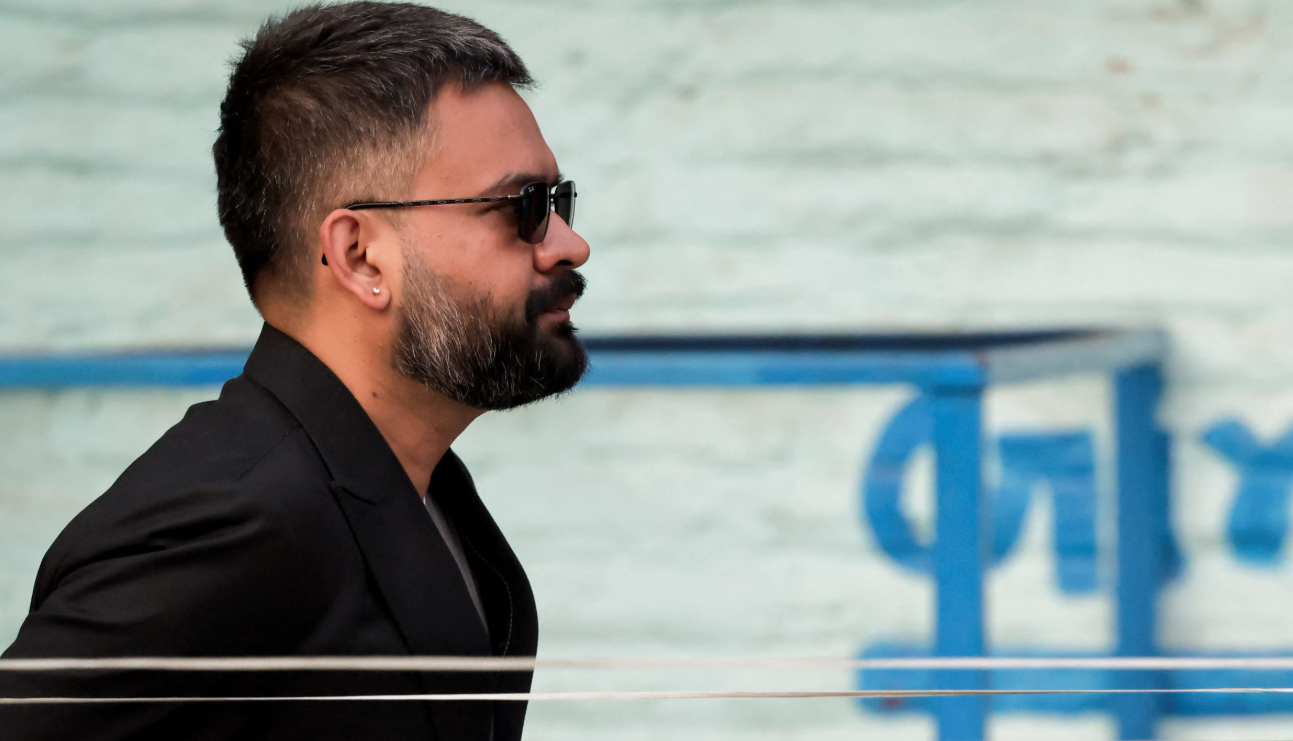
Nepal has witnessed a dramatic political shift after the Balendra Shah led Rastriya Swatantra Party (RSP) secured a sweeping victory in the country’s latest national election.
The four-year-old political party, founded on promises of transparency and reform, managed to win a majority despite Nepal’s complex electoral system. The result marks one of the most significant political shake-ups in the country’s recent history.
For many voters, the victory represents a rejection of traditional political parties and decades of political stagnation.
A Stunning Defeat for the Old Guard
One of the most symbolic moments of the election came when Balendra Shah, widely known as Balen, defeated former Prime Minister K. P. Sharma Oli in the Jhapa District constituency of Jhapa-5.
The seat had long been considered a stronghold for Oli and his party, making the defeat a powerful signal that Nepal’s political landscape is undergoing a major transformation.
Many voters expressed frustration with what they see as years of corruption, ineffective governance, and political instability. The success of the RSP reflects a growing desire for fresh leadership and systemic reform.
Who Is Balen Shah?
At just 35 years old, Balendra Shah is one of the youngest leaders to rise so quickly in Nepalese politics.
Before entering politics, he was known as a rapper and engineer. His popularity grew when he was elected mayor of Kathmandu in 2022, campaigning as an independent candidate focused on anti-corruption and urban reforms.
Despite having only a few years of political experience, his outsider image helped him attract young voters and citizens frustrated with the traditional political class.
Why Voters Backed the RSP
Across Nepal, supporters say the election result reflects a demand for change. Many believe the RSP represents a new political culture focused on accountability and efficient governance.
The party’s manifesto emphasizes:
- Fighting corruption
- Reforming government institutions
- Improving infrastructure and public services
- Creating economic opportunities for young people
For many voters, the RSP symbolizes hope after decades of coalition politics and slow reforms.
Challenges Ahead for Nepal’s New Government
Despite the excitement surrounding the victory, the new government faces major challenges.
The Rastriya Swatantra Party has little experience running a national government, and expectations from the public are extremely high. Economic recovery, unemployment, and governance reforms will be among the top priorities.
Analysts say the biggest test for Balendra Shah will be turning campaign promises into real policies while managing a complex political system.
Nepal Steps Into the Unknown
With the rise of a young political party and a leader who came from outside traditional politics, Nepal is entering a new and uncertain chapter.
For supporters, the election signals a fresh start and an opportunity to reshape the country’s governance. For critics, the lack of political experience could bring risks.
Either way, Nepal’s political landscape has changed dramatically, and the coming years will determine whether this historic mandate leads to lasting reforms.