Introduction
The Indus Waters Treaty has long been seen as a rare example of cooperation between India and Pakistan. However, recent developments and geopolitical tensions have reignited debates over whether India made disproportionate sacrifices under the agreement while facing continued hostility from Pakistan.
What Is the Indus Waters Treaty?
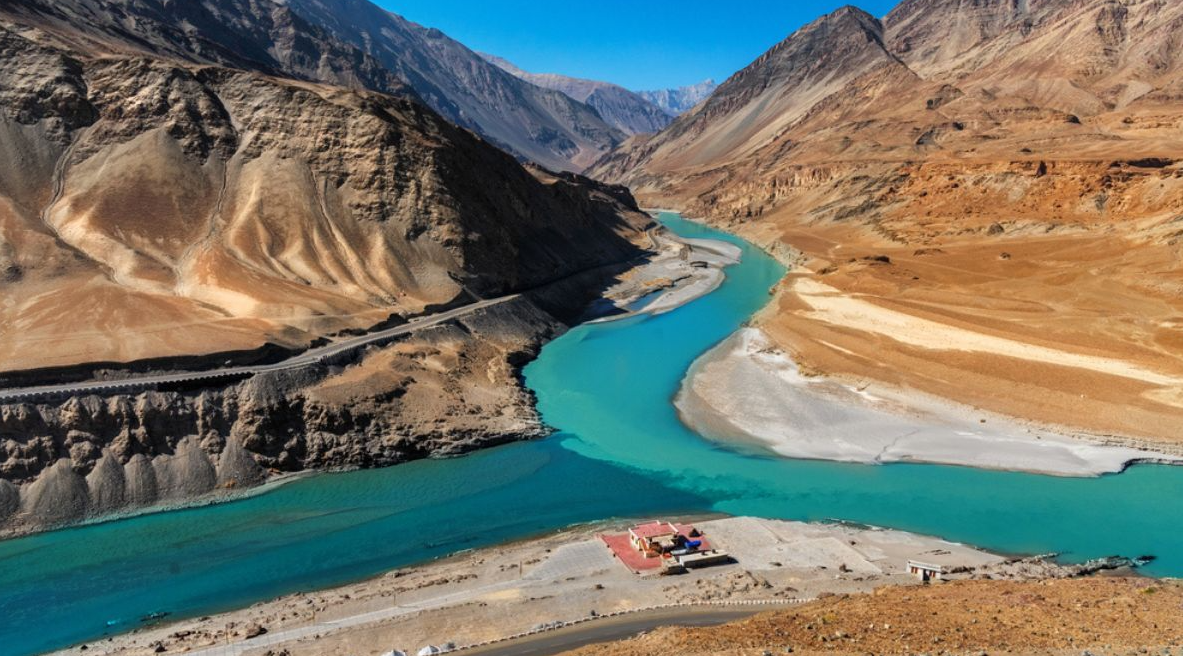
Signed in 1960 with the mediation of the World Bank, the treaty divided the six rivers of the Indus basin between India and Pakistan. India received control over the eastern rivers (Ravi, Beas, Sutlej), while Pakistan got the western rivers (Indus, Jhelum, Chenab).
Despite multiple wars and conflicts, the treaty survived for decades and is often considered one of the most enduring water-sharing agreements globally.
India’s “Unequal” Concessions
Critics argue that India made significant concessions under the treaty:
- Around 80% of the Indus basin waters were allocated to Pakistan
- India’s usage of western rivers was restricted mainly to non-consumptive purposes
- Hydropower projects faced strict design and operational conditions
This arrangement limited India’s ability to fully utilize its own water resources, especially in Jammu & Kashmir.
Pakistan’s Continued Aggression
Despite India honoring the treaty for decades, tensions between the two nations have remained high.
India has repeatedly raised concerns over cross-border terrorism and security threats originating from Pakistan. The argument highlighted in the article is that while India upheld the treaty obligations, Pakistan allegedly continued hostile actions.
Turning Point: Suspension of the Treaty
In 2025, India took a major step by suspending the treaty following a terrorist attack in Jammu & Kashmir. The move signaled a shift in India’s strategic approach toward water diplomacy.
Key developments include:
- Reduction or control of water flow from certain rivers
- Acceleration of hydroelectric projects
- Re-evaluation of long-standing treaty obligations
Why This Matters Today
Water is increasingly becoming a strategic resource in global geopolitics. The Indus dispute highlights:
- The link between water security and national security
- The challenges of maintaining agreements amid conflict
- The growing importance of hydro-politics in South Asia
With climate change impacting river flows, the stakes are even higher.
Expert Perspective
The NDTV article frames India’s approach as one of restraint despite provocation, arguing that the treaty may no longer reflect current realities.
It suggests that continued unilateral concessions may not be sustainable if geopolitical tensions persist.
Conclusion
The Indus Waters Treaty once symbolized cooperation in a conflict-prone region. Today, it stands at a crossroads.
As India reassesses its commitments and Pakistan continues to emphasize its dependence on the Indus system, the future of the treaty will likely play a critical role in shaping South Asia’s political and environmental landscape.