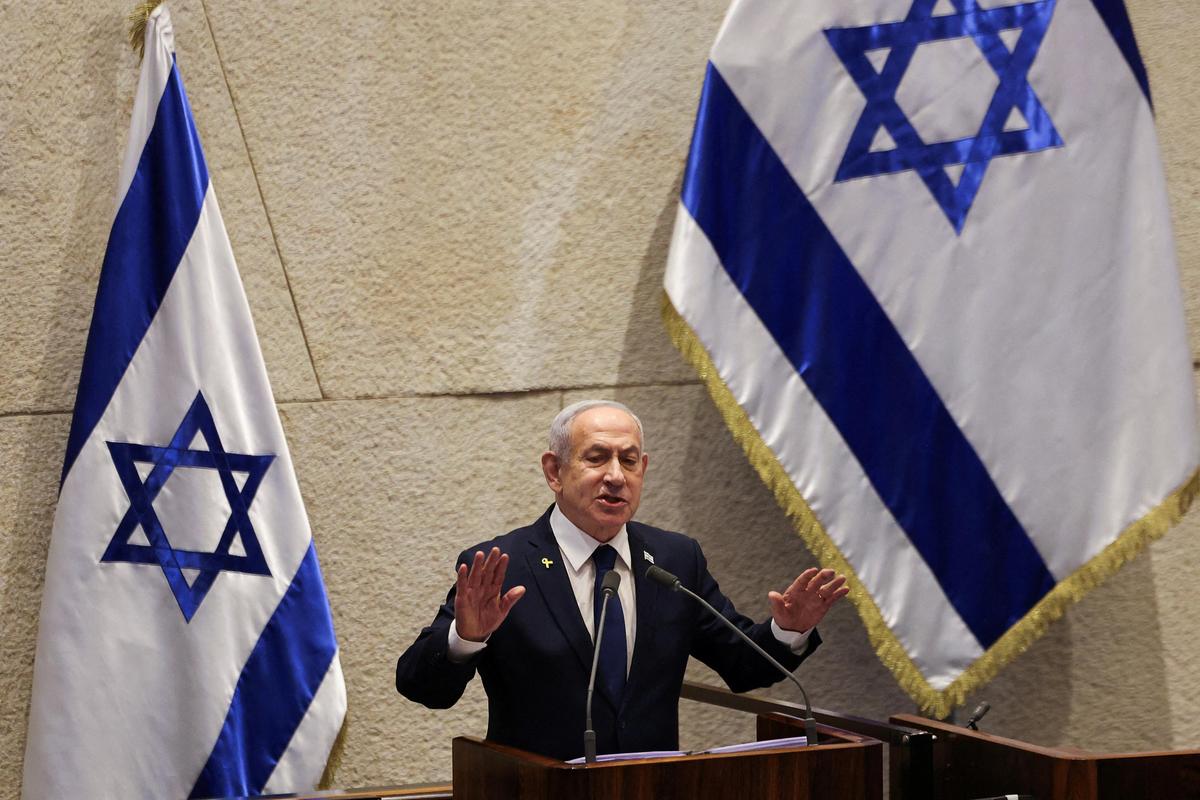
Jerusalem: Israeli Prime Minister Benjamin Netanyahu has requested a presidential pardon in the midst of his protracted corruption trial, raising concerns among critics that he may be attempting to circumvent the legal process.
In a video message, Netanyahu cited Israel’s “security and political” challenges as making it impossible for him to appear in court multiple times a week. The request adds a new layer of complexity to a legal saga that has been ongoing since 2016 and could have significant implications for both Israel’s judiciary and Netanyahu’s political future, with national elections scheduled for next year.
What Charges Does Netanyahu Face?
Netanyahu, a central figure in modern Israeli politics, is serving his sixth term as prime minister. He has been indicted on charges of bribery, fraud, and breach of trust, divided into three main cases:
- Case 1,000: Netanyahu allegedly received gifts worth around US$200,000—including cigars and champagne—from Hollywood producer Arnon Milchan and Australian billionaire James Packer.
- Case 2,000: Netanyahu is accused of negotiating with Arnon Mozes, publisher of Yediot Ahronot, to secure favorable media coverage in exchange for restricting a rival newspaper.
- Case 4,000: Involving the communications company Bezeq, Netanyahu allegedly supported regulatory changes benefiting the company’s controlling shareholder in return for positive coverage online.
Netanyahu denies all wrongdoing, calling the charges a “witch hunt” and “fabricated and ludicrous.” During his 2024 testimony, he argued that investigators had “found an offence where none existed.”
Implications for Israel’s Judicial System
Legal experts note that pardons are typically granted only after a conviction. Netanyahu has not admitted guilt, and his pardon request is seen as a bid to continue governing without interruption.
Since 2020, numerous witnesses—including former aides turned state witnesses—have testified against Netanyahu. However, he has frequently used national security issues, particularly the 2023 Gaza war, to delay hearings. Critics warn that the pardon request highlights broader concerns over the independence of Israel’s judiciary.
In early 2023, Netanyahu’s government proposed judicial reforms critics argued would weaken the Supreme Court. While Netanyahu was formally recused from this effort due to his trial, other ministers pushed the changes, sparking widespread protests over threats to Israel’s checks and balances.
Political Stakes for Netanyahu
Netanyahu’s pardon bid is also a strategic move to safeguard his political survival. Recently re-elected as Likud Party leader, he intends to run in next year’s elections and expects victory. Israeli law suggests a convicted leader could be barred from running, but it remains unclear if this would apply in Netanyahu’s case at this stage.
Reports indicate he may try to advance elections to secure diplomatic wins with Saudi Arabia and Indonesia, leveraging foreign policy gains to offset domestic challenges. For Netanyahu, the pardon could be the only viable way to halt the trial and protect his political future.