
Introduction
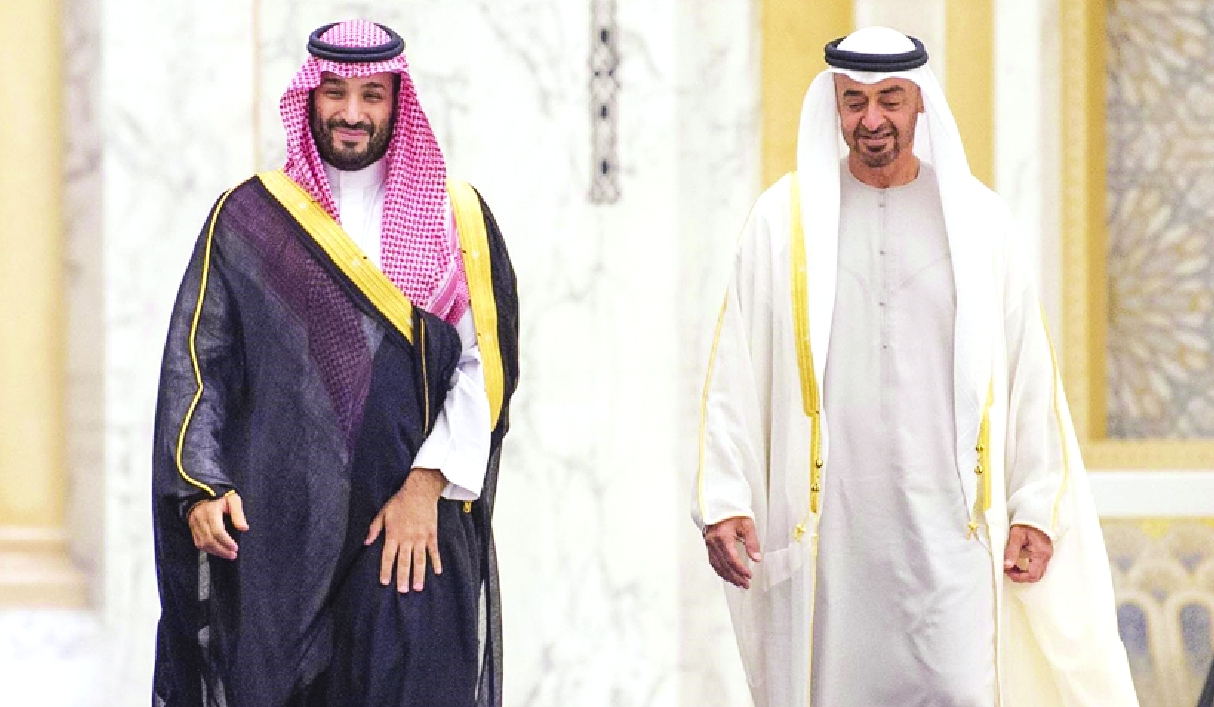
The decision by the United Arab Emirates (UAE) to exit OPEC marks a turning point in global energy politics. While economic reasons such as increasing oil production have been widely discussed, a deeper geopolitical layer particularly the Saudi-Pakistan factor is gaining attention.
This move not only reshapes Middle Eastern alliances but also has significant implications for global oil markets and countries like India.
Why Did UAE Exit OPEC?
The UAE’s exit from the Organization of the Petroleum Exporting Countries (OPEC) is driven by multiple strategic factors:
1. Freedom to Increase Oil Production
The UAE wants to maximize oil output without being restricted by OPEC quotas. This allows it to capitalize on global demand before energy transitions reduce fossil fuel reliance.
2. Economic Strategy Shift
As a low-cost oil producer, the UAE aims to increase market share rather than maintain artificially high prices through production cuts.
3. Long-Term Energy Vision
With global oil demand expected to peak in the coming decades, the UAE is prioritizing immediate revenue generation.
The Saudi-Pakistan Factor Explained
One of the most critical yet less-discussed aspects of the UAE’s decision is the Saudi-Pakistan nexus.
1. UAE vs Saudi Strategic Rivalry
Tensions between the UAE and Saudi Arabia have been building for years, particularly over oil quotas and regional influence.
2. Pakistan’s Role in the Equation
- UAE recently withdrew $3.5 billion from Pakistan, signaling dissatisfaction with Islamabad’s neutrality on Iran.
- Saudi Arabia stepped in to support Pakistan, strengthening their alliance.
3. Competing Alliances
Analysts believe Saudi Arabia’s closer alignment with Pakistan, Turkey, and Egypt creates a conflict of interest for the UAE, which has stronger ties with India.
In essence, UAE’s OPEC exit is not just economic it is also a strategic move to counterbalance Saudi-led alliances.
Geopolitical Impact on the Middle East
The UAE’s decision signals a broader shift in Middle Eastern geopolitics:
- Weakening unity within OPEC and the Gulf Cooperation Council (GCC)
- Rising tensions between UAE and Saudi Arabia
- Increased reliance on independent foreign policy decisions
This could lead to a more fragmented oil-producing bloc, reducing coordinated control over global oil prices.
Impact on Global Oil Markets
1. Weakening of OPEC
The UAE is one of OPEC’s largest producers. Its exit reduces the cartel’s ability to control supply and stabilize prices.
2. Risk of Price Wars
With more countries prioritizing production over coordination, the market could face increased competition and volatility.
3. Potential Drop in Oil Prices
Higher production from the UAE could push prices downward in the long term.
Impact on India: A Strategic Advantage
India stands to benefit significantly from this development:
1. Lower Oil Prices
Increased supply could reduce crude oil costs, easing inflation.
2. Improved Energy Security
More flexible supply chains mean better access to oil imports.
3. Strengthening UAE-India Relations
The UAE’s growing alignment with India could lead to stronger economic and energy partnerships.
Risks and Uncertainties
Despite the benefits, there are risks:
- Ongoing conflicts like the Iran crisis disrupting supply routes
- Increased market volatility due to reduced coordination
- Possible geopolitical escalations in the Gulf region
Conclusion
The UAE’s exit from OPEC is more than an economic decision it is a geopolitical signal. The Saudi-Pakistan factor highlights shifting alliances and strategic rivalries in the Middle East.
For global markets, this move could mean increased volatility and reduced cartel control. For India, however, it presents an opportunity for cheaper oil and stronger bilateral ties with the UAE.
As energy markets evolve, this decision may mark the beginning of a new era where national interests outweigh collective oil diplomacy.