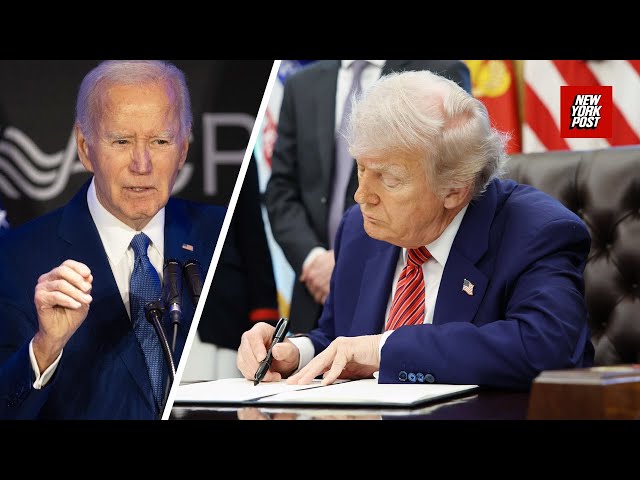
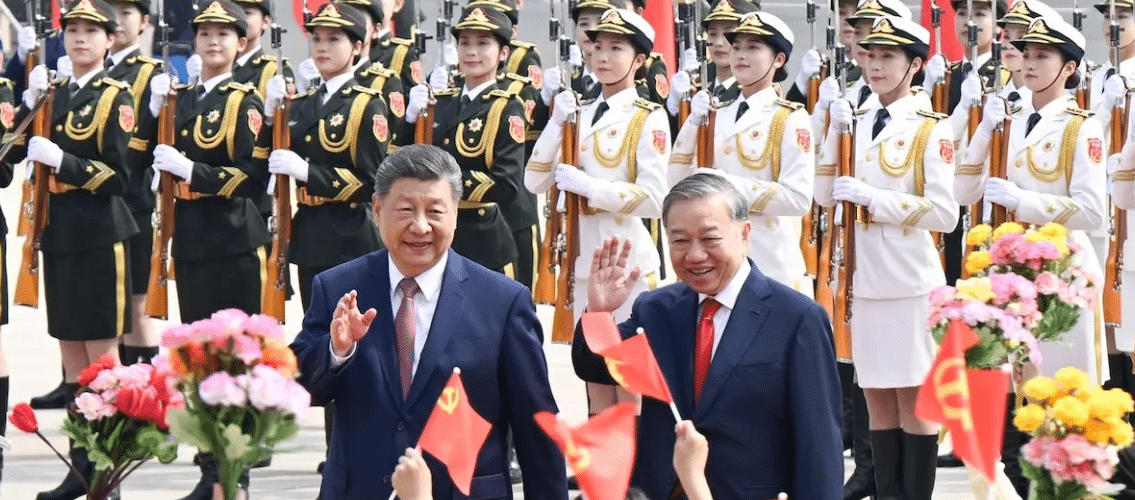
Vietnam has successfully expanded its global partnerships in recent years, engaging with major powers such as the United States, China, and regional allies. However, the country now faces a more complex challenge turning this broad network of relationships into a coherent and sustainable foreign policy strategy.
From Diversification to Strategic Complexity
Vietnam’s foreign policy has traditionally focused on diversification and balance.
- Strengthening ties with multiple global powers
- Avoiding overdependence on any single country
- Maintaining strategic autonomy
This approach has allowed Vietnam to benefit economically and politically while navigating intensifying global rivalries.
However, as partnerships expand, managing them consistently is becoming increasingly difficult.
The Shift Toward Strategic Coherence
The next phase of Vietnam’s foreign policy requires more than just expanding partnerships. It demands alignment across multiple domains:
- Security and defence cooperation
- Trade and economic agreements
- Technology and supply chains
- Regional diplomacy within ASEAN
Without coherence, Vietnam risks sending mixed signals to partners and weakening its strategic position.
Key Challenges Vietnam Faces
1. Balancing Major Powers
Vietnam must carefully manage relations between competing global powers:
- The United States as a security and economic partner
- China as both a neighbour and strategic rival
- Russia and other partners in defence cooperation
Maintaining this balance is becoming more complex as geopolitical tensions rise globally.
2. Aligning Domestic and Foreign Policy
Vietnam’s foreign policy is closely tied to domestic priorities such as:
- Economic growth and industrial development
- Political stability
- Technological advancement
Foreign engagements are increasingly used to support internal reforms and modernization goals.
3. Managing Strategic Expectations
As Vietnam deepens ties with multiple partners, expectations from each side are rising.
- Western countries expect stronger alignment on security and trade
- Regional partners look for leadership within ASEAN
- China remains sensitive to Vietnam’s strategic moves
Balancing these expectations without compromising independence is a key challenge.
The Role of Strategic Autonomy
Vietnam continues to prioritize “strategic autonomy” as a core principle of its foreign policy.
This means:
- Avoiding formal alliances
- Maintaining flexibility in partnerships
- Acting in national interest rather than bloc politics
This approach has helped Vietnam navigate global uncertainty, but it also requires careful coordination to remain effective.
Implications for Southeast Asia
Vietnam’s evolving foreign policy has broader regional implications:
- It strengthens ASEAN’s role in global geopolitics
- It contributes to balancing major power influence in the Indo-Pacific
- It shapes regional responses to global economic and security challenges
Vietnam is increasingly seen as a key middle power in Southeast Asia.
Strategic Outlook
Going forward, Vietnam’s success will depend on its ability to:
- Integrate its multiple partnerships into a unified strategy
- Maintain credibility with competing global powers
- Align foreign policy with long-term economic goals
The transition from partnership expansion to strategic coherence will define Vietnam’s global role in the coming decade.
Final Thoughts
Vietnam has reached a turning point in its foreign policy evolution.
While expanding partnerships has brought significant benefits, the real challenge now lies in ensuring those relationships work together as part of a coherent and strategic framework.
How effectively Vietnam manages this transition will determine its influence in an increasingly fragmented global order.